

A pool that turns green can feel alarming, but it is one of the most common issues pool owners face, especially where heat, dust, and intense sunlight create ideal conditions for rapid algae growth. Most cases are treatable with the right approach and the right sequence. The key is acting quickly before the problem compounds.
This guide explains how to clean a green pool at every severity level and covers when to call a professional pool maintenance company for support.
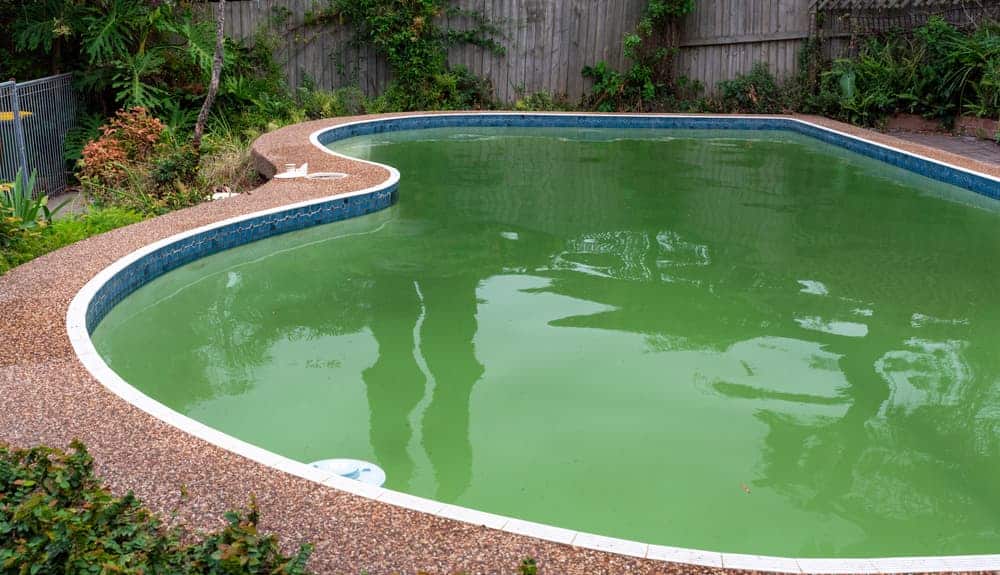
Understanding Green Pool Water
Why Your Pool Turned Green
The most common cause is low chlorine. When free chlorine drops below effective levels, algae spores multiply rapidly. Poor filtration and weak circulation create stagnant zones where algae establish first. Dust, debris, and sandstorms feed growth, while high temperatures and strong sunlight accelerate it dramatically.
Types of Pool Algae
Light green, cloudy water signals an early-stage bloom that responds to standard shock. Dark green or swamp-like water indicates severe contamination needing aggressive intervention. Mustard or yellow algae clings to walls and shaded areas, resisting normal chlorine levels. Black algae is deep-rooted and demands the most aggressive treatment.
When Green Water Is Not Algae
Not every green tint is algae. Copper or iron in the water supply can cause discoloration. Pollen and fine dust during sandstorm season mimic early algae appearance. Chemical imbalances can also produce a cloudy green look. Testing first prevents wasting chemicals on the wrong problem.
Assessing the Severity of a Green Pool
Before treating, determine how far the problem has progressed. Light green but mostly clear water is early-stage and clears within 24 to 48 hours with a single shock. Green and cloudy water represents moderate infestation requiring shock with extended filtration and repeat dosing. Dark green water where the floor is invisible demands aggressive green pool cleanup using flocculant, vacuum-to-waste, and multiple shocks over several days.
Safety Steps Before Green Pool Cleanup
Wear chemical-resistant gloves and eye protection when handling pool chemicals. Never mix products together. Store chemicals in a cool, dry, ventilated space.
Before adding chemicals, inspect equipment. Confirm the pump is working, check valves and circulation, and verify the filter is functional. Treating a green pool with a broken pump or clogged filter wastes product and delays recovery.
Step-by-Step Green Pool Cleanup Process
Step 1: Remove Debris
Skim all leaves, insects, and floating material. Vacuum large debris from the floor. Removing organic matter before shocking reduces chlorine demand and lets the shock target algae directly.
Step 2: Clean the Filtration System
Backwash sand and DE filters or rinse cartridge filters thoroughly. Replace damaged media. Run the filter continuously throughout treatment. Filtration is the engine of any effective green pool treatment; without it, shocking alone will not clear the water.
Step 3: Test and Balance the Water
Test pH, alkalinity, and stabilizer levels before shocking. Adjust pH to 7.2 to 7.6 and alkalinity to 80 to 120 ppm. Balanced water allows chlorine to work at peak efficiency. If CYA exceeds 50 ppm, higher shock doses are needed.
Step 4: Brush Walls and Floor
Brush the entire surface, focusing on steps, corners, the waterline, and shaded areas where algae anchors. Nylon bristles work for vinyl and fiberglass; stainless steel is needed for plaster and concrete. Brushing breaks the algae’s grip so shock can penetrate and kill it.
Best Way to Clean a Green Pool Fast
Standard Shock Method
For light to moderate algae, the best way to clean a green pool is superchlorination. Add enough chlorine shock to raise free chlorine to 10 ppm or higher. Run the pump overnight and retest in the morning. Repeat if the water has not cleared significantly. Dead algae will cloud the water temporarily before the filter removes it.
Shock and Floc Method for Severe Cases
For dark green pools, shock first, then add flocculant. Flocculant binds suspended particles into heavy clumps that sink. Turn off the pump, let everything settle for 8 to 12 hours, then vacuum to waste, bypassing the filter entirely. This removes the bulk of contamination in one pass.
Algaecides and Clarifiers
Algaecide works best as a follow-up after shocking, not as a primary treatment. Clarifiers help gather fine particles for the filter to capture. A common mistake is relying on algaecide alone, which cannot kill an active bloom without adequate chlorine backing it up.
Seasonal Issues That Cause Green Pool Water
Saudi Arabia’s climate makes green pool water a recurring challenge. Sandstorms deposit organic material that feeds algae and spikes chemical demand. Heavy pool usage depletes chlorine rapidly. Heatwaves accelerate evaporation and chlorine breakdown simultaneously, creating windows where algae can establish within hours.
Covering the pool during storms, increasing sanitizer before events, and testing daily during peak summer are the most effective preventive measures.
When DIY Green Pool Treatment Is Not Enough
Some situations exceed what home treatment can handle. If you are trying to figure out how to clean a green pool fast but the water stays green after multiple shocks, or equipment failures are preventing proper filtration, or problems return within days of clearing, these all point to issues requiring professional diagnosis.
A qualified pool maintenance company can identify root causes, whether undersized filtration, plumbing leaks, or imbalances that standard test kits cannot detect.
Why Choose Reza Pools & Courts
Reza Pools & Courts provides professional pool cleaning services in Saudi Arabia with over 40 years of experience in residential and commercial pool care. Our team specializes in fast-response green pool cleanup, advanced water treatment, and maintenance plans built for Saudi Arabia’s climate.
Whether you are dealing with a one-time bloom or recurring issues, we deliver solutions that restore clarity and keep it that way. Contact Reza Pools & Courts for professional green pool cleanup and maintenance services in Saudi Arabia.