

A crystal-clear pool can still harbor unsafe water chemistry. Without regular testing and careful balancing, even the most picture-perfect-looking pool risks damaging equipment, irritating skin, and breeding bacteria beneath the surface. For pool owners across the Middle East, where extreme heat accelerates chemical reactions and intensifies evaporation, understanding pool chemistry is essential to protecting both swimmers and the significant investment a pool represents.
This guide walks through the fundamentals of testing pool chemicals, balancing water in the correct order, and managing the unique challenges that come with maintaining a pool in a desert climate.
Understanding Pool Chemistry Basics
Every pool relies on a handful of chemical parameters working together. When one falls out of range, the others shift with it — creating a chain reaction that compounds quickly if left unchecked.
Here are the key parameters and their ideal ranges:
- pH (7.4–7.6): Controls how acidic or alkaline your water is. Outside this range, chlorine loses effectiveness and swimmers experience skin and eye irritation.
- Free Chlorine (1–3 ppm): The active sanitizer killing bacteria and algae. Total chlorine minus free chlorine reveals combined chlorine (chloramines), which causes that harsh “chlorine smell.”
- Total Alkalinity (80–120 ppm): Acts as a buffer for pH, preventing wild fluctuations. Low alkalinity causes pH to bounce unpredictably.
- Calcium Hardness (200–300 ppm): Too low corrodes surfaces and equipment; too high causes scaling on tiles and plumbing.
- Cyanuric Acid/CYA (35–60 ppm): Shields chlorine from UV degradation — particularly critical under the intense Middle Eastern sun.
- Total Dissolved Solids/TDS (below 1,500 ppm): Measures accumulated dissolved materials. High TDS reduces chemical effectiveness and causes cloudy water.
Balanced pool chemistry protects equipment longevity, ensures swimmer comfort, and keeps sanitizers working at peak efficiency.
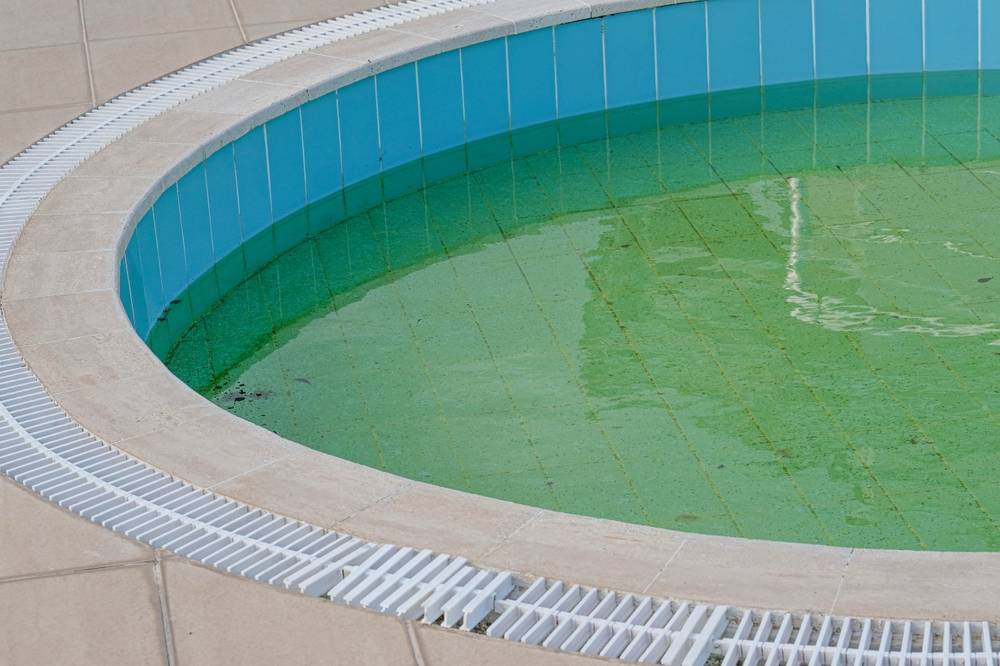
Water Chemistry Imbalance
Dust particles alter pH and alkalinity, and the sudden influx of contaminants reduces chlorine effectiveness. A balanced pool can fall out of range within hours of a storm.
Stress on Filters and Pumps
Filtration systems bear the heaviest burden. Fine sand clogs cartridge filters, overwhelms sand media, and forces pumps to work harder. Without prompt cleaning, this strain shortens equipment lifespan.
How Sandstorms Affect Hotel Pools
How sandstorms affect hotel pools is a critical concern for hospitality. Hotels must restore clarity rapidly to maintain guest satisfaction and health standards. Larger volumes demand stronger filtration and professional strategies beyond standard residential routines.
What to Do After a Sandstorm Hits Your Pool
Knowing what to do after a sandstorm starts with acting in the right sequence. Each step prepares the pool for the next, making the overall process faster and more effective.
Step 1: Remove Large Debris
Use a skimmer net to collect leaves, insects, and floating debris immediately. Prevent this material from sinking, where it becomes harder to remove and accelerates chemical consumption.
Step 2: Allow Sand to Settle
Wait several hours before vacuuming. Suspended sand particles need time to sink to the bottom so they can be collected effectively rather than stirred back into the water column.
Step 3: Vacuum the Pool Carefully
Use a manual vacuum set to waste mode to remove sand directly from the pool without sending it through the filter. Work slowly in overlapping strokes to avoid disturbing settled particles.
Step 4: Clean the Pool Filter
Sandstorms almost always clog filters. Backwash sand filters until clear, rinse cartridge filters thoroughly, or backwash and recharge DE filters. A clogged filter cannot restore clarity no matter how long the pump runs.
Step 5: Brush Pool Walls and Surfaces
Sand clings to walls, steps, tiles, and waterline surfaces. Brushing loosens these particles so they can be captured by the filtration system or vacuumed in a second pass.
Step 6: Test and Balance Pool Water
Check pH, chlorine, and alkalinity levels. Sandstorms typically drive pH up and deplete chlorine, so adjustments are almost always needed. Correct alkalinity first, then pH, then chlorine to avoid redundant dosing.
How to Clean a Pool After Heavy Dust and Sand
For severe contamination, a single pass through the steps above may not be enough. Understanding how to clean a pool after a major dust event means being prepared to repeat the process.
Skim the surface multiple times over the first 24 hours as fine particles continue to settle from the air. Vacuum the floor again after the second round of settling. Clean the filter a second time if pressure climbs back above baseline quickly. Run the pump continuously for at least 8 to 12 hours to circulate and filter the full water volume. Shock the pool if contamination is severe, chlorine demand is high, or the water remains cloudy after mechanical cleaning.
The faster you act after a sandstorm, the less chemical product and equipment strain the recovery requires.
Preventing Sandstorm Damage to Your Pool
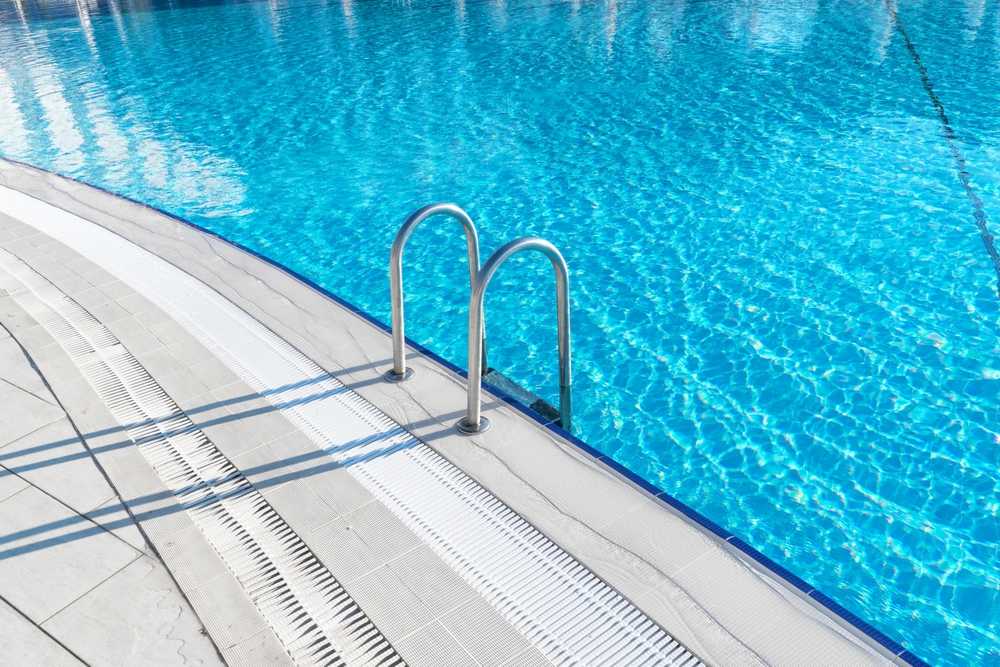
Prevention does not eliminate the impact of a sandstorm, but it significantly reduces the severity.
Pool covers are the most effective defense, keeping the majority of sand and debris out during a storm.
Landscaping barriers such as perimeter walls, fences, and hedges reduce wind speed and the volume of airborne sand reaching the pool.
Routine maintenance keeps filtration in peak condition so it recovers quickly when a storm hits. A clean filter and well-maintained pump handle the sudden load far better than neglected equipment.
High-quality filtration systems designed for fine particulate capture manage post-storm recovery more efficiently than older or undersized equipment.
When to Call Professional Pool Maintenance Services
Some situations require more than a DIY cleanup. Call a professional when sand repeatedly clouds the water despite multiple vacuum and filter cycles, or when filter damage and pump malfunctions appear after a storm.
Large commercial and hotel pools need professional post-storm servicing to restore operations on a timeline self-maintenance cannot match. Persistent chemical imbalance may indicate deeper contamination or equipment issues requiring specialized diagnostics.
Why Choose Reza Pools & Courts for Pool Maintenance in Saudi Arabia
Reza Pools & Courts brings over 40 years of experience building and maintaining pools across Saudi Arabia, with specialized expertise in sandstorm recovery. As a trusted provider of hotel pool maintenance and residential care, we deliver professional equipment, filtration knowledge, and reliable scheduling.
Our services cover private residences, resorts, and commercial facilities, with long-term care programs that keep pools operational year-round, storm season included.
Need help restoring your pool after a sandstorm? Contact Reza Pools & Courts for expert pool cleaning and maintenance services anywhere in Saudi Arabia.
References
- Guidelines for Keeping Your Pool Safe and Healthy. Retrieved April 9, 2026, from https://www.cdc.gov/healthy-swimming/safety/what-you-can-do-to-stay-healthy-in-swimming-pools.html