

Pool surfaces do not last forever. Constant water exposure, chemical treatment, and environmental wear gradually break down even the most durable finishes. In Saudi Arabia, where extreme heat accelerates evaporation, intensifies chemical reactions, and subjects surfaces to relentless UV degradation, that timeline shortens considerably. Dust and sand add abrasion that compounds the problem season after season.
Resurfacing restores the protective barrier that keeps a pool structurally sound, visually appealing, and safe. This guide covers the signs your pool needs resurfacing, the available resurfacing material types, realistic project timelines, and what to look for when choosing a resurfacing contractor in Saudi Arabia.
What Is Pool Resurfacing and Why Is It Important?
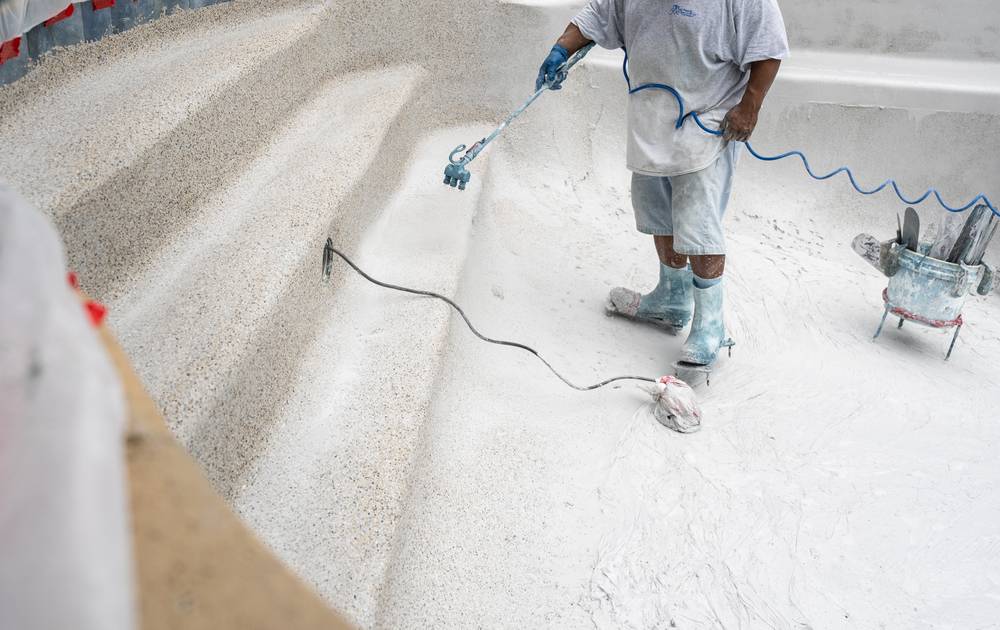
Pool resurfacing is the process of removing the existing interior finish and applying a new protective coating. Over time, the original surface wears thin, exposing the shell to water penetration, chemical damage, and structural stress.
A fresh surface improves appearance, creates a smoother texture for swimmers, prevents leaks, and extends the pool’s lifespan. Delaying resurfacing allows small problems to escalate: hairline cracks become structural failures, roughness becomes a safety hazard, and erosion leads to water loss. Addressing wear early is always more cost-effective than waiting for a full renovation.
Signs Your Pool Needs Resurfacing
Recognizing the signs your pool needs resurfacing early prevents minor issues from becoming major structural problems.
Rough or abrasive surfaces are among the first indicators. When plaster wears down, the texture becomes coarse enough to scratch swimmers’ skin, signaling the protective layer has thinned significantly.
Visible cracks should never be ignored. Small cracks allow water to seep behind the surface, undermining the pool shell and leading to expensive repairs.
Stains and discoloration from mineral deposits, algae, or chemical damage indicate the surface can no longer resist absorption. Persistent staining that does not respond to acid washing means the finish is past recovery.
Peeling or flaking is common in older plaster or painted finishes. Once the surface delaminates, patching offers only a temporary fix.
Frequent water loss beyond normal evaporation may point to seepage through a worn surface. If levels drop consistently despite no plumbing leaks, the surface is the likely culprit.
Common Pool Resurfacing Material Types
Selecting the right resurfacing material types depends on budget, durability requirements, and design preferences. Each option carries distinct advantages.
Plaster is the traditional and most cost-effective choice. It delivers a smooth, clean finish and typically lasts 7 to 10 years with proper maintenance. Standard white plaster remains popular for residential pools, though colored options are available.
Quartz aggregate blends crushed quartz with plaster for a more durable and stain-resistant surface. It holds up better against chemical exposure and offers an attractive textured appearance that outlasts standard plaster by several years.
Pebble finishes use natural stone aggregate to create a highly durable and slip-resistant surface. The organic texture and color variation make pebble a popular choice for luxury residential pools and resort-style designs.
Tile finishes represent the premium tier. Porcelain or glass tile delivers exceptional longevity, virtually unlimited design possibilities, and superior resistance to chemicals and staining. Tile is commonly specified for high-end residential and commercial pools where aesthetics and lifespan justify the higher investment.
How Long Does Pool Resurfacing Take?
Understanding how long pool resurfacing takes helps homeowners plan around the downtime.
Pool drainage removes water safely without damaging the shell. Surface preparation follows: stripping the old coating, repairing cracks, and addressing structural issues. The new material is applied, then a curing period allows the finish to set before refilling. After refilling, chemistry is balanced to protect the new surface during its critical first weeks.
For standard residential pools, the typical timeframe is 3 to 7 days. Larger pools or projects requiring structural repair may take longer. Extreme heat in Saudi Arabia can affect curing, and experienced contractors adjust schedules accordingly.
Pool Maintenance Tips After Resurfacing
A new surface needs careful attention during the first few weeks to cure correctly and reach its full lifespan.
Maintain balanced pH levels between 7.2 and 7.6 to prevent etching or scaling. Clean filters regularly to ensure circulation during curing. Brush the surface gently during the first week to remove plaster dust and prevent calcium buildup. Avoid harsh chemicals, especially acid-based products, until the surface has fully cured. Schedule professional checks in the weeks following resurfacing to verify chemistry and surface condition.
Recognizing signs that your pool needs resurfacing early and working with experienced professionals ensures you get the most out of every surface application.
Choosing a Resurfacing Contractor in Saudi Arabia
Choosing a resurfacing contractor is one of the most consequential decisions in the project. The quality of application directly determines how long the surface lasts.
Look for proven experience in pool construction and resurfacing, not just general contracting. A contractor with knowledge of Saudi Arabia’s climate understands how heat, UV, and mineral-heavy water affect material performance. Verify they use quality materials and professional equipment. Clear timelines and transparent planning protect against delays. Post-resurfacing maintenance services are equally important, as the contractor who applied the surface is best positioned to maintain it.
Why Choose Reza Pools & Courts for Pool Resurfacing
With over 40 years of experience in pool construction and renovation, Reza Pools & Courts is among the most trusted pool resurfacing contractors in Saudi Arabia. Our team brings expertise across all major resurfacing material types, from standard plaster to premium tile, with skilled technicians who understand local climate conditions and their impact on surface longevity.
We provide professional inspection, honest resurfacing recommendations, and full-service solutions that include construction, renovation, and ongoing maintenance. Residential clients, hotels, and sports facilities across Saudi Arabia trust us to deliver results that last.
Thinking about resurfacing your pool? Contact Reza Pools & Courts today for expert consultation, professional resurfacing services, and long-term pool maintenance in Saudi Arabia.