

Most homeowners assume a salt water pool means swimming without chemicals, or without chlorine at all. It does not. A salt water pool vs chlorine pool comparison usually starts with that misconception, and clearing it up is the fastest way to understand what actually separates the two systems: not whether chlorine is present, but how it gets into the water, and what that difference means for comfort, maintenance, and cost over the life of the pool.
What Is a Chlorine Pool?
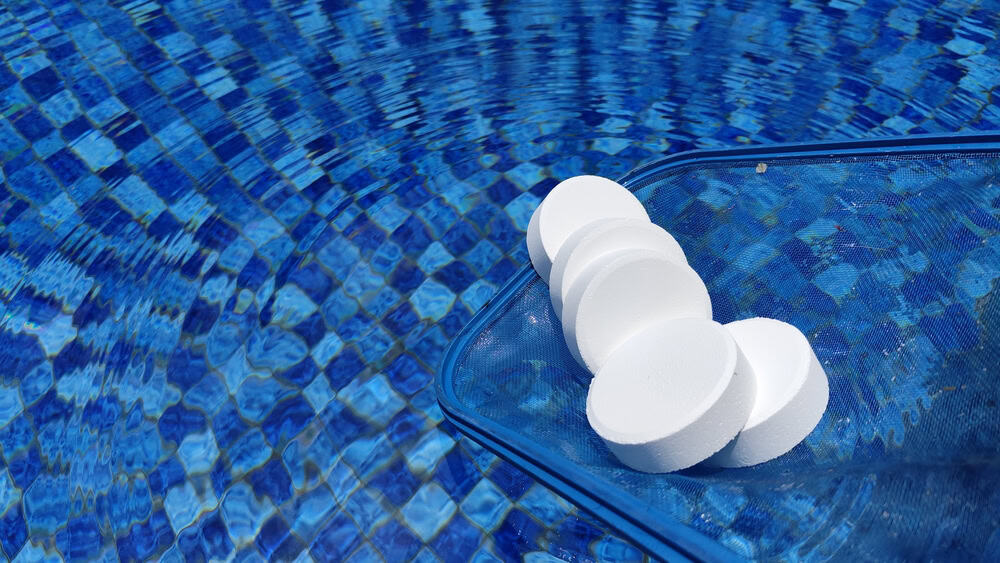
A traditional chlorine pool is sanitized by adding chlorine directly to the water, usually as tablets, liquid, or granules, depending on the size of the pool, the owner’s routine, and how the pool is used. Chlorine works by killing bacteria and algae, keeping the water safe for swimmers. The portion of chlorine still active and available to sanitize is known as free chlorine, and it needs to be tested and topped up regularly since it depletes with sunlight, heat, and bather load.
What Is a Salt Water Pool?
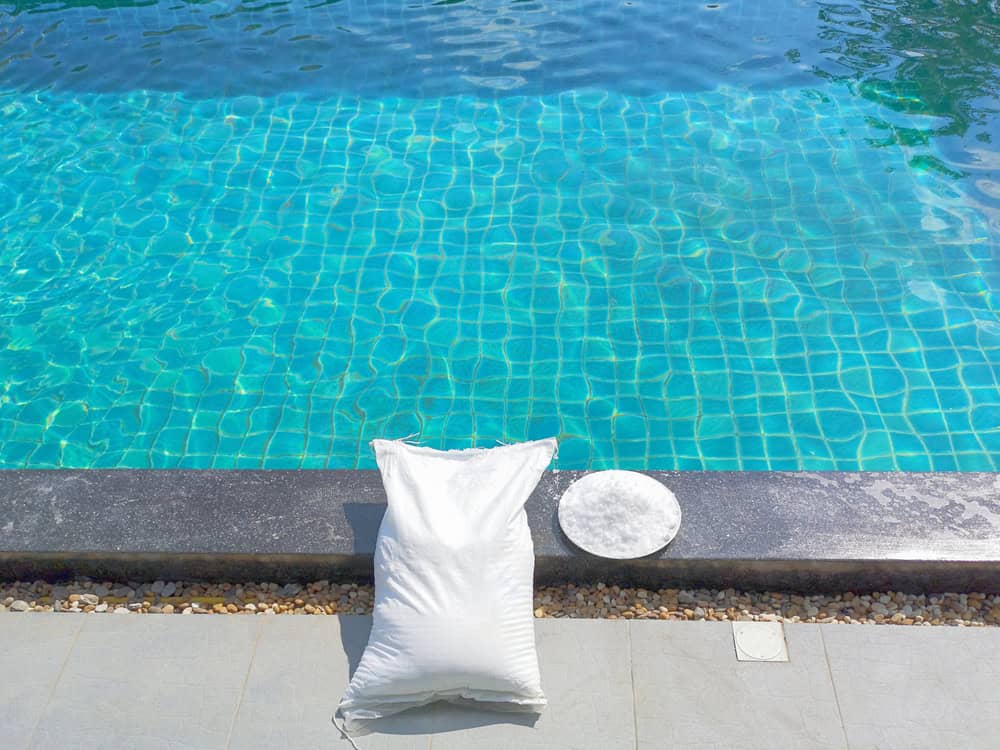
A salt water pool still uses chlorine, but produces it on site instead of being added by hand. Dissolved salt passes through a salt chlorine generator, where electrolysis converts it into chlorine that sanitizes the water. The system then continues to recycle that salt, generating a steady, more consistent supply of chlorine as water circulates through the cell rather than relying on manual dosing.
Do Salt Water Pools Still Have Chlorine?
Yes. Do salt water pools have chlorine is one of the most common questions pool owners ask, and the answer is straightforward: salt water pools are not chlorine free, they generate chlorine from salt rather than requiring it to be added manually. Salt levels are typically maintained around 3,000 parts per million, though the exact target varies by generator manufacturer, which is far lower than seawater and mild enough that most swimmers do not taste or smell salt in the water. Even with an automated generator, water still needs periodic testing to keep salt, pH, and alkalinity in the right range.
Salt Water vs Chlorine Pool: Comfort, Cost, and Durability
A salt water pool vs chlorine pool comparison usually comes down to three practical factors:
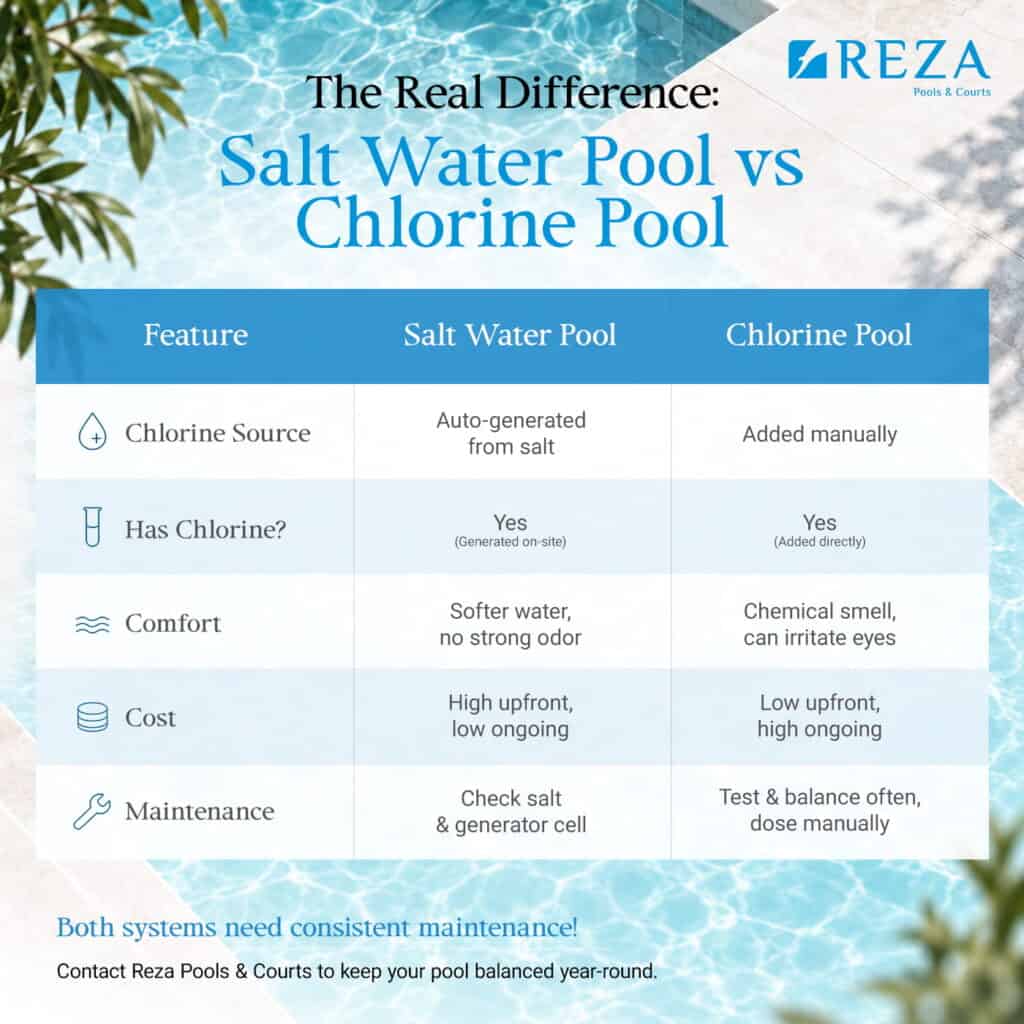
- Comfort: Salt systems tend to produce fewer chloramines, the byproduct responsible for strong chlorine smell, red eyes, and skin irritation, so salt water often feels softer on skin and hair, and the water carries less of a strong chemical odor.
- Upfront cost: Salt systems require a chlorine generator and salt-compatible equipment, which typically costs more to install than a basic chlorination setup, particularly if an existing chlorine pool needs to be retrofitted.
- Ongoing cost: Chlorine pools have lower equipment costs but higher recurring spending on chlorine products, while salt systems reduce chemical purchases but can involve costlier generator cell repairs or replacement over time.
- Durability: Salt water can accelerate corrosion on some metal fixtures, fittings, and pool surrounds, so material selection, proper installation, and ongoing inspection matter more with a salt system than with standard chlorination.
Day-to-Day Maintenance: Salt vs Chlorine
Both systems still require routine attention, just distributed differently across the week and season.
- Salt water pools: checking salt level, inspecting the generator cell for scale buildup, testing water chemistry, and brushing and cleaning filters as usual.
- Chlorine pools: regular testing, manually dosing chlorine, adjusting pH and alkalinity, and periodically shocking the pool to clear contaminants that build up between routine doses.
- Both systems: periodic shocking may still be needed either way, and both benefit from professional inspection to catch equipment issues early, particularly in Saudi Arabia’s heat and dust, which increase chemical demand and filtration load throughout the year.
Choosing the Right System for Your Home
The right system depends on lifestyle, budget, sensitivity to chlorine smell or irritation, and how the pool is used, rather than a universal best answer for every household.
- Salt water tends to suit frequent swimmers, households with mild sensitivities to chlorine smell or irritation, and owners who prefer a more automated system and can invest more upfront in equipment.
- Chlorine pools suit tighter budgets, simpler equipment needs, and owners who do not mind manual testing and dosing as part of their routine.
- Converting an existing chlorine pool to salt later is possible, but it depends on whether current equipment and surrounding materials are salt-compatible, so it is worth planning for early if a future conversion is a possibility.
Professional Pool System Support from Reza Pools & Courts
- Over 40 years of experience maintaining both salt water and chlorine pools since 1978
- Locations in Jeddah, Riyadh, Al Khobar, and NEOM
- Technicians experienced with salt chlorine generators, cell inspection, and manual chlorine dosing and balancing
- Maintenance plans suited to Saudi Arabia’s heat, dust, and sandstorm conditions
Both Systems Depend on Consistent Maintenance
A salt water pool and a chlorine pool both sanitize with chlorine, they simply deliver it differently, and that difference shapes comfort, upfront cost, and how the surrounding equipment holds up over time. As a pool maintenance company with more than 40 years of experience across Saudi Arabia, Reza Pools & Courts maintains both salt water and chlorine pools, with technicians experienced in generator cells, chemical balancing, and the equipment behind each system. Contact Reza Pools & Courts for swimming pool cleaning service today. Our team can assess your current system and help you keep it properly balanced year-round.